
How To Bid a Plumbing Job and Win More Without Cutting Prices
Many plumbing contractors struggle to stay competitive without slashing their prices. Explore smarter bidding strategies, including using CRM tools and business intelligence so you can bid plumbing jobs better.



Table of Contents
You get what looks like a great construction project — a large-scale new plumbing build. Problem is, the competition is tough. Dropping your quote will get you the plumbing job, but you’d almost be working for free.
So what do you do? You fix the bidding process.
Many plumbing businesses struggle with underbidding, taking on the wrong projects, or overlooking key costs. But with the right approach, you can avoid these problems altogether. Follow these four steps to protect your profits and focus on the jobs that fit.
Step 1: Score Plumbing Jobs Before You Bid
“Because it’s there” might be a good reason for climbing Mount Everest, but not for bidding on plumbing jobs. With TopBuilder’s CRM and ContractorBI, you can quickly spot which bids are worth your time and which ones are guaranteed time-wasters. See a general contractor’s bidding history, track win-loss trends, and prioritize the right opportunities with the bid scoring dashboard.
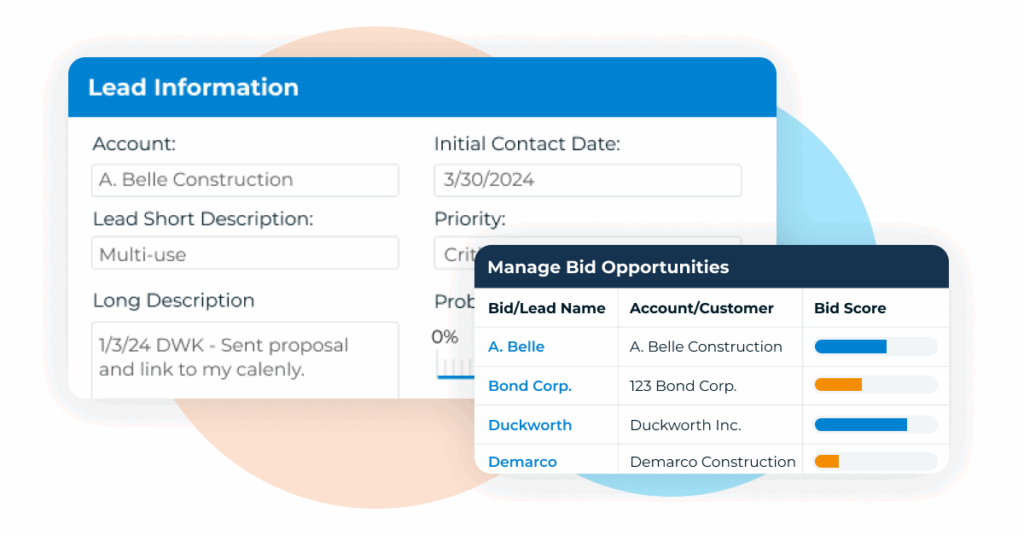
Example: A bid for a four-story assisted living facility lands in your inbox. Everything looks good until TopBuilder reveals this GC has sent 12 bid requests this year and awarded zero. You skip it and save five hours.
Because every business is different, TopBuilder lets you score bids based on what matters to you. Here are four important factors to start with.
Right Job Fit
You get a bid for a complex medical facility. The pay looks good, but your strength is large-scale residential plumbing jobs. Is this really a high-return job? Before you dive in, ask yourself: Have you done this before? If there’s a steep learning curve, stop and rethink. Charge for the time it takes to solve problems and learn new skills. If the job is squarely in your wheelhouse and the install is straightforward, your bid score jumps.
General Contractor Track Record
A bid comes in right in your sweet spot: plumbing a new apartment complex with future work potential. But the GC? Same one who paid you five months late — three times. You need partners, not headaches. If a GC has awarded work before, communicates clearly, and pays on time, that bid score rises. Otherwise? Skip it and save yourself the hassle.
Job Site Fit
Looks like a perfect job… until you see it’s two states away. Sure, exceptions exist for big paydays, but distance destroys profit. Even local projects can eat your margins with traffic and gas. The closer the site, the higher the bid score. Protect your time to protect your plumbing business margins.
Win Probability
Bidding is work; don’t waste time on long shots. If a GC you know personally reaches out with a job, that’s worth chasing. But if you’re one of 100 getting a cold bid blast, think twice. Good relationships, past wins, and engaged GCs lead to higher bid scores. Everything else? Maybe not worth it.
Step 2: Track Win/Loss Trends To Refine Strategy
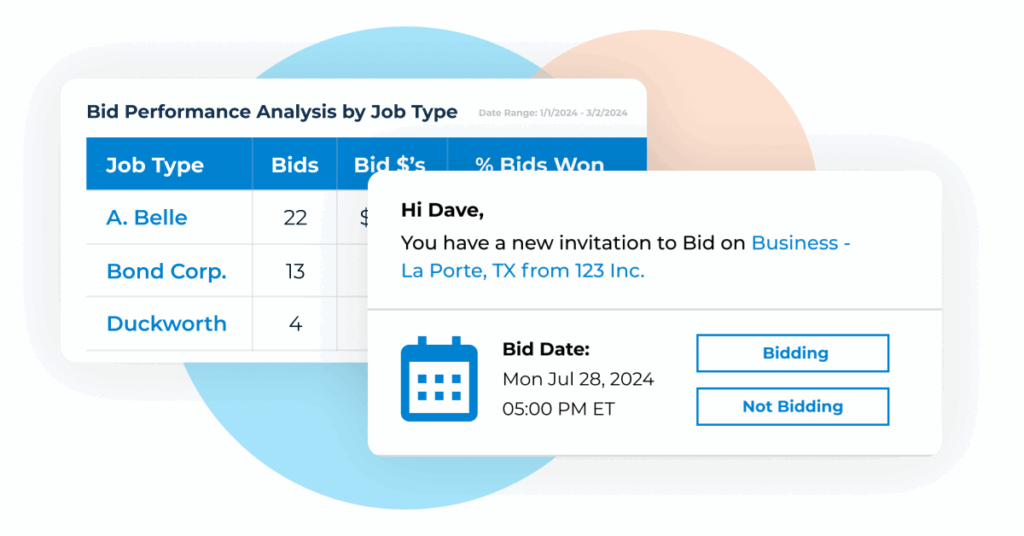
You can’t fix a problem if you don’t know it’s there. Tracking your win/loss trends helps you set benchmarks and stay competitive. With TopBuilder’s one-click dashboards, you can break down your bid history by GC, project type, location, or timeframe. You can also score each opportunity based on past performance and track how your win rate shifts over time. When the data is right in front of you, smart decisions on future plumbing jobs get a lot easier.
For example, maybe you’re landing one job for every ten bids. You might think that’s good until you learn that other subcontractors may be winning one out of six. But tracking trends isn’t just about wins and losses: you should also be watching metrics like big hit ratios, win rate by project type, and profit margin trends so you can better understand your bid to win ratio.
The key is what you do with that data. Say you’ve got an 8% win rate with a particular GC. Are those bids really worth your time? If they are, tweak your follow-up or pricing and see if you can move that win rate in a positive direction.
Step 3: Use Tools that Save Time and Enhance Professionalism
If a GC only cares about the lowest price, that’s a red flag. The right GCs want reliable partners: people who show up, deliver, and make their lives easier. To win those bids, you need to show organization, expertise, and professionalism. A sharp, high-quality bid sends that message before you even get on the phone.
TopBuilder helps you get there fast. With Excel integration, auto-populated client info, and custom templates, you can skip the manual bidding process — including entry mistakes — and build polished, professional bids quickly. Templates for remodels, new builds, and commercial work speed things up that much more. Plus, with subcontractor-specific customization, including for plumbers, you can tailor every bid to fit. Clean, professional bids win more work.
Step 4: Stay Engaged With the Right GCs
Relationships drive the construction business, especially for a plumbing service. GCs prefer subcontractors who are reliable, professional, and easy to work with. These are the plumbing companies that earn repeat business.
But there’s a line. Too much contact in the plumbing industry feels pushy.
CRM tools like TopBuilder help you strike the right balance. You can track every interaction, set automatic follow-up reminders, and stay top-of-mind without overdoing it. You also get access to notes, preferences, and decision timelines for each GC, so you know exactly when and how to reach out.
Your reputation wins jobs, and that reputation comes from good communication and solid work. With a potential plumber shortage on the horizon, trust is going to matter more than ever.
It’s competitive out there, but undercutting your profit isn’t the answer. The right tools help you manage multiple bids, deliver accurate estimates, and show GCs you’re worth the higher paycheck. Want the full roadmap? Download Construction Bidding Made Easy for a deeper dive into how to bid a plumbing job.
Frequently Asked Questions
How do plumbers bid a job?
Plumbers typically assess project details, perform a quantity takeoff, estimate labor and material costs, factor in overhead and profit, and then submit a formal proposal. The process also includes reviewing project drawings and specifications to ensure accurate scope coverage.
How do you calculate labor cost for a plumbing job?
Labor costs are calculated by multiplying estimated labor hours by the fully burdened hourly rate (including wages, taxes, insurance, and overhead). For example, 10 labor hours at $50/hour (all-in) would be $500 in labor cost.
How do I estimate material costs accurately?
Material estimates are based on the quantity takeoff. Use supplier price lists or estimating software to ensure real-time accuracy, and always account for potential waste or price fluctuations in your bids.
What overhead and profit margin should I include in a plumbing bid?
Common overhead rates range from 10% to 20%, while profit margins typically fall between 15% and 30%, depending on market competitiveness and job complexity.
Should I use software to create plumbing estimates?
Yes, estimating software can speed up the process and reduce errors. Tools like TopBuilder CRM and ContractorBI help with automation, templates, and real-time pricing data so you can track the total cost of plumbing contracts.
What’s the difference between bidding residential vs. commercial plumbing jobs?
Residential jobs often have simpler scopes and faster turnarounds, while commercial bids require more detailed specs, longer timelines, and stricter code compliance. Commercial bidding also includes considerations like union labor or prevailing wages.
How do I bid on plumbing jobs for new construction?
Review architectural drawings, perform detailed quantity takeoffs, estimate labor phases, and coordinate with GCs. These bids often require breakdowns by system (e.g., water, waste, gas) and detailed scheduling.
How do I price emergency or after-hours plumbing work?
Add a premium modifier (often 1.5x to 2x standard rates) to your labor and service charges. Be sure to clearly outline this in your contract or proposal to avoid disputes.
What is a plumbing bid proposal template, and should I use one?
A bid template standardizes your quotes and helps ensure consistency. It typically includes project details, scope of work, materials, labor, terms, and signatures. Using a template speeds up the bidding process and builds trust with clients.
How do I follow up after submitting a plumbing bid?
Follow up within 48–72 hours with a polite check-in. Reaffirm your value, answer any questions, and remain responsive. Building rapport post-bid increases your close rate significantly.
Related Content

How To Get on a General Contractor’s Bid List (and Stay There)

Construction Business Development: Managing Client Expectations with Technology