AI in the construction sector uses machine learning, robotics, and advanced analytics to transform how construction teams manage projects from start to finish. Some contractors report productivity gains through optimized scheduling and smarter resource allocation, while others see fewer workplace accidents with real-time hazard detection.
AI can also analyze equipment data to predict maintenance needs before breakdowns occur, and smart cameras can help monitor progress and site conditions around the clock. Whether you’re dealing with labor shortages, tight margins, or constant schedule pressure, understanding AI-powered construction tools can help you stay competitive.
Key Takeaways
AI enhances construction safety through real-time hazard detection, reducing workplace injuries by up to 25%.
Machine learning optimizes scheduling and resource allocation, boosting construction productivity by up to 20%.
AI addresses labor shortages by automating tasks and providing predictive analytics for better project management.
Real-time monitoring and AI cameras track job site conditions, equipment performance, and project progress continuously.
Adoption challenges include resistance to change, skills gaps, and outdated infrastructure requiring targeted training and pilot projects.
What Is AI in Construction?
When you integrate AI into construction projects, you’re leveraging machine learning, robotics, and advanced analytics to transform how buildings get designed, planned, and built.
You’ll find AI streamlines project management by analyzing equipment data to predict maintenance needs before breakdowns occur. It also supports safer jobsites through real-time hazard detection. According to Construction Dive reporting, AI-driven safety tools can reduce workplace accidents by as much as 25% in certain environments.
Smarter resource allocation can also help reduce waste while improving productivity across the project lifecycle. Your team joins a growing community of forward-thinking construction professionals using AI-powered tools like generative design to create innovative solutions that meet exact specifications without costly rework. Additionally, AI can improve financial performance analysis by providing insights that allow construction companies to make more informed decisions based on real-time data.
Why the Construction Industry Needs AI Now
Labor shortages grip the construction sector everywhere. Up to 92% of construction firms are struggling to find skilled workers, according to a survey from the Associated General Contractors of America. AI offers a lifeline for firms facing mounting operational pressures. AI technology transforms how you approach productivity and project delivery.
Here’s what you’ll gain:
Boosted construction productivity through optimized scheduling
Enhanced safety management using real-time monitoring and hazard detection
Predictive maintenance that cuts downtime and extends equipment lifespan
Real-time monitoring for proactive risk mitigation
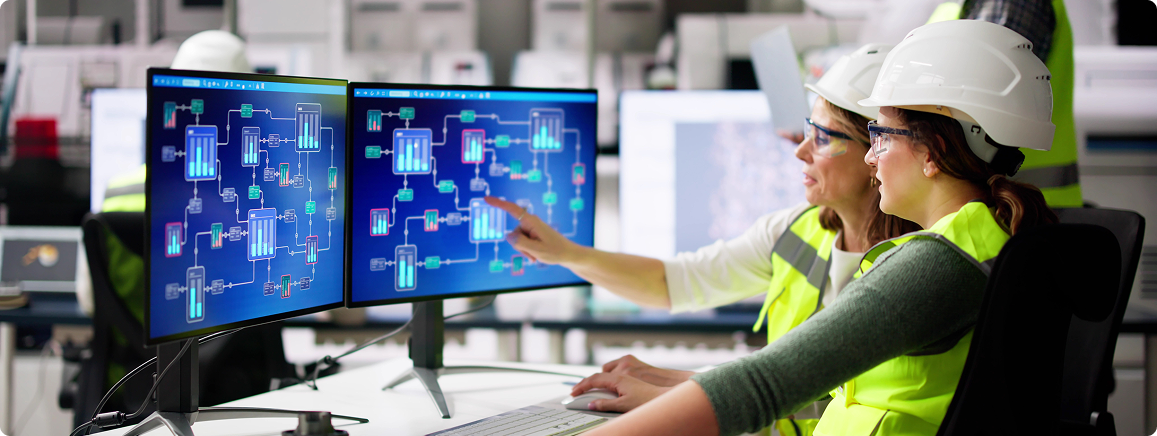
With the integration of real-time data dashboards, you can make more-informed decisions that further enhance operational efficiency and project outcomes.
Using AI-powered tools means joining an industry-wide shift toward smarter operations that keep your firm competitive.
How Machine Learning Powers Smarter Construction Projects
Machine learning transforms raw construction data into actionable intelligence that drives smarter decision-making across every project phase.
You’ll see project management improve dramatically when algorithms analyze historical patterns to predict delays before they happen. In fact, McKinsey reports timeline improvements up to 20%. Your team benefits from predictive analytics that forecast bottlenecks and optimize resource allocation. On safety measures, real-time data analysis identifies hazards proactively, cutting workplace accidents by a quarter or more. Equipment maintenance also becomes predictable rather than reactive, minimizing costly downtime.
Plus, identifying revenue leaks through machine learning can unveil hidden inefficiencies and offer opportunities to improve overall profit margins.
How IoT Sensors Track Every Job Site Detail
IoT sensors give you visibility into every corner of your job site, transforming how you monitor conditions and manage operations in real time.
These connected devices deliver real-time data that strengthens your project management capabilities:
Track environmental conditions like temperature and humidity
Monitor equipment performance for predictive maintenance
Identify safety hazards before accidents occur
Manage material inventory to optimize procurement
When sensors integrate with AI systems, you’ll make faster, data-informed decisions that keep your team safe and your projects on track. This integration allows for better bid management software strategies by optimizing your bidding processes based on real-time insights.
AI Construction Trends You Should Know
AI Cameras That Monitor Construction Sites 24/7
While IoT sensors capture environmental data and equipment metrics, AI cameras take site monitoring a step further by providing 24/7 visual surveillance that supports workforce safety.
These systems use computer vision to analyze real-time footage, automatically flagging safety violations like missing protective gear. In some deployments, industry reporting suggests AI-driven safety tools can reduce workplace accidents by as much as 25%, especially when paired with real-time alerts and consistent jobsite processes.
Beyond safety, AI monitoring tracks project progress, helping you identify delays before they impact your timeline. This level of visibility improves management by ensuring your team is aligned on project details and updates.
Generative AI That Speeds Up Construction Planning
Beyond real-time monitoring, AI’s impact extends into the earliest stages of your project.
You’ll find generative AI analyzes vast datasets to deliver innovative design solutions tailored to your specific requirements. This technology anticipates design clashes earlier, helping prevent costly rework and keep project timelines tighter.
Here’s what you gain:
Accelerated planning phases through automated design generation
Enhanced structural accuracy via advanced environmental simulations
Optimized material use supporting your sustainability goals
Potential savings up to $5 million through schedule optimization
Even the best-laid plans can derail without foresight, predictive analytics has become your most reliable defense against costly construction delays. By analyzing historical project data, AI tools identify potential delays before they turn into bigger problems.
Machine learning spots bottlenecks early, giving your team time to act. You’re also gaining smarter project management through predictive maintenance that catches equipment issues before breakdowns halt progress.
Additionally, accurate construction estimates are critical for profitability, allowing teams to manage resources better and avoid budget overruns.
When you’re part of an industry embracing these solutions, you’re building smarter.
AI Safety Systems That Reduce Jobsite Injuries
When heavy machinery operates alongside workers in fast-paced environments, the margin for error shrinks dramatically. AI safety systems are proving essential for protecting your crew.
These systems reduce workplace accidents through:
Computer vision analyzing footage to identify hazards instantly
Wearable tech monitoring worker health and alerting supervisors to dangers
Proximity sensors detecting when workers get too close to equipment
Machine learning algorithms predicting risks from historical incident data
Don’t just react to problems. Implement proactive measures that prevent them. And leverage real-time dashboards to visualize the data trends that contribute to safer job sites. Real-time compliance monitoring flags violations immediately, keeping your team safe and your projects moving.
AI Image Recognition for Automated Quality Control
While safety systems focus on protecting your workers, AI image recognition tackles another critical challenge: catching quality defects before they become costly rework.
Computer vision systems analyze site photos and videos to spot misalignments, material flaws, and specification violations automatically. You’re no longer dependent on manual inspections that can miss problems until they’ve compounded.
Real-time monitoring means your team catches issues earlier, not weeks later. Machine learning algorithms improve accuracy over time, recognizing patterns human inspectors might overlook.
For construction projects under tight deadlines, this technology delivers measurable results — reducing rework costs by up to 30% through early defect detection, according to some estimates. Quality control becomes proactive, not reactive. Furthermore, integrating these systems with construction software enhances communication and expectation management across the project lifecycle.
Autonomous Robots and Drones on Construction Sites
Beyond keeping your equipment running smoothly, AI is putting entirely new machines to work on your job sites. Autonomous robots now handle bricklaying and material transport, while drones capture real-time aerial data for project management and safety compliance.
These technologies work continuously with reliable precision. The efficiency brought by TopBuilder’s bid tracking solution can also be enhanced through automation, streamlining workflows across project phases.
You’re not alone in facing labor shortages and that’s why firms like yours turn to automation.
AI Document Management for Contracts and Blueprints
As your projects grow more complex, managing the mountain of contracts and blueprints becomes a serious drain on your team’s time.
AI document management transforms this challenge into a competitive advantage.
Here’s what automation delivers for your firm:
Instant organization and retrieval of critical documents
NLP-powered contract analysis that flags risks and compliance issues
Automated data extraction from blueprints into project platforms
Predictive analytics that leverage historical contract performance for smarter negotiations
You’ll minimize human error through automated validations while freeing your team for higher-value work. With the emergence of new market opportunities, firms embracing these tools are moving beyond surviving and into industry leadership.
How AI Improves Construction Estimating Accuracy
Beyond quality control, AI transforms another pain point that’s plagued contractors for decades: the estimation process.
You’re no longer stuck relying on gut instincts or outdated spreadsheets. AI algorithms analyze historical data and market conditions to deliver estimates you can trust.
Here’s how AI elevates your estimating processes:
Reduces estimation errors
Automates time-consuming calculations for faster project approvals
Uses predictive analytics to forecast material and labor cost fluctuations
Identifies resource patterns from past projects
AI capabilities in estimating can be seamlessly integrated with construction CRM solutions to enhance overall project management efficiency.
For construction firms serious about financial planning, AI-powered estimation isn’t optional. It’s your competitive edge.
How AI Sharpens Bidding and Contract Negotiations
Accurate estimates mean nothing if you can’t translate them into winning bids and favorable contracts. AI algorithms analyze historical bidding data to spot patterns, helping you craft competitive proposals that reflect current market conditions.
Predictive analytics forecast costs and timelines, strengthening your negotiation position with realistic projections.
During the bidding process, AI automates administrative tasks and guarantees compliance, freeing your team to focus on negotiation strategies.
Machine learning evaluates past contract performance, informing smarter risk assessments. Real-time data analysis enhances stakeholder collaboration, supporting decisions that lead to stronger outcomes. Additionally, leveraging bid management software can streamline workflows and improve communication throughout the bidding process.
AI Risk Assessment Tools That Catch Problems Early
Even with competitive bids secured, your project faces countless risks that can derail timelines and budgets if left unchecked.
AI risk assessment tools use predictive analytics to identify project risks before they escalate, giving you time to act.
These tools analyze historical and real-time data to:
Forecast delays and recommend corrective actions
Prioritize challenges so you address critical issues first
Continuously learn from new information, sharpening accuracy
Reduce rework costs through early problem detection
Additionally, TopBuilder’s integrated tools like BuildingConnected’s bid invitations allow for a more proactive approach to risk management in your projects.
AI Scheduling That Adapts to Real-World Conditions
Your project timeline may look solid on paper, but real-world conditions like weather delays, equipment breakdowns, and shifting labor availability can quickly throw everything off track.
AI scheduling changes how you handle these disruptions. These tools analyze historical data and real-time conditions to optimize construction timelines and improve efficiency. Project managers can predict bottlenecks before they derail progress, adjusting resources proactively rather than reactively.
The system adapts dynamically as conditions shift, keeping your schedule realistic. Your team stays aligned through transparent, updated timelines accessible to everyone—ensuring you’re all working toward the same goals. Plus, AI tools enhance communication with clients by centralizing bids and documents, further boosting project coordination and responsiveness.
Predictive Maintenance for Construction Equipment
While AI scheduling keeps your timelines on track, predictive maintenance guarantees the construction equipment powering those schedules doesn’t fail when you need it most.
AI tools analyze sensor data from your machinery, forecasting maintenance needs before breakdowns occur. You’ll reduce downtime considerably and boost operational efficiency across every project. This seamless integration of real-time updates enhances your ability to respond promptly to maintenance needs.
Here’s what predictive maintenance delivers:
Reduction in maintenance costs
Extended equipment lifespan through optimized servicing
Smarter resource allocation for your fleet
Improved decision-making on equipment usage
When you’re part of a forward-thinking construction firm, embracing predictive maintenance isn’t optional. It’s a matter of how you do it.
How AI Assigns the Right Crews to the Right Tasks
Getting the right crews on the right tasks has always been one of construction’s toughest puzzles, until AI entered the picture. AI algorithms analyze crew skills, experience levels, and task requirements to create ideal matches that support project efficiency.
You’re no longer guessing which team fits best. Real-time crew performance monitoring lets AI dynamically reassign workers as conditions change on-site. Historical data helps predict which crews will deliver on time and within budget.
Plus, don’t forget that integrating construction management software with AI systems provides deeper insights into crew performance and operational efficiency.
AI Tools That Improve Team Communication on Site
While matching the right crews to tasks solves one challenge, keeping those teams connected throughout the workday presents another hurdle entirely.
AI tools transform how you handle communication and collaboration on construction sites.
These platforms deliver real-time data sharing that keeps everyone aligned:
Automated project updates eliminate manual status reports
NLP-powered interfaces let you access information through simple voice or text commands
Centralized RFI management reduces miscommunication between stakeholders
You’ll notice fewer delays when your team can instantly share updates and access critical information.
AI-driven collaboration guarantees decisions happen faster, keeping your projects on track.
AI for Reducing Waste and Energy on Construction Sites
Every construction site generates waste and consumes energy, but AI tools now give you precise control over both.
With predictive analytics, you can forecast material needs accurately, cutting excess orders and helping reduce waste before it accumulates. Machine learning analyzes historical data to optimize resource allocation across your projects.
AI technologies also transform energy efficiency on-site. Real-time monitoring through IoT sensors tracks consumption patterns, flagging inefficiencies instantly so you can act fast. These systems enable adjustments that cut energy use and help be part of a greener future.
Many small contractors assume AI requires enterprise-level budgets and dedicated IT teams, but that’s no longer the reality. Today’s smart construction software makes it easier to compete with larger companies, especially when you start with solutions that help you get organized, see issues sooner, and make faster decisions.
A smart first step for AI adoption is bringing your data into one place, so you’re not chasing updates across spreadsheets, emails, and disconnected systems. With clearer visibility into what’s happening across jobs, small teams can manage construction projects more efficiently without adding more admin work.
Start with these accessible entry points:
Project management platforms with AI scheduling help project managers adjust project timelines faster when conditions change in the field.
Predictive maintenance tools can monitor construction equipment performance and flag issues early to reduce downtime.
AI-driven safety monitoring improves safety monitoring on construction sites by helping teams identify hazards in real time.
Smart estimating tools support more accurate cost estimates by reducing manual errors and pulling insights from past projects.
For many contractors, the biggest value of AI isn’t robots on the jobsite. It’s having better visibility into project progress, costs, and performance. That’s where tools like TopBuilder’s Contractor BIM dashboards come in, helping you connect the dots across your construction process and make decisions faster with real-time data.
Get Started Today
AI isn’t here to replace how contractors work, it’s here to make your job easier to manage. Start with one improvement that saves time right away: tighter scheduling, faster estimating, better safety visibility, or fewer surprise delays.
Once you’ve got the basics in place, the real advantage comes from seeing the full picture. TopBuilder ContractorBI™ helps you connect data from platforms you already use and turn it into dashboards your team can leverage so you can stay ahead of jobsite issues, protect your margins, and keep projects moving.
Open rates for construction marketing emails have a higher-than-averageopen rate of 21.7%, according to recent data. Targeted B2B communications tend to enjoy higher CTRs than other marketing emails.
How Can Contractors Use AI?
In some cases, yes, but it depends on the particular project’s guidelines for bidding. Sometimes, the project owner will request separate bids from subcontractors.